
Introduction
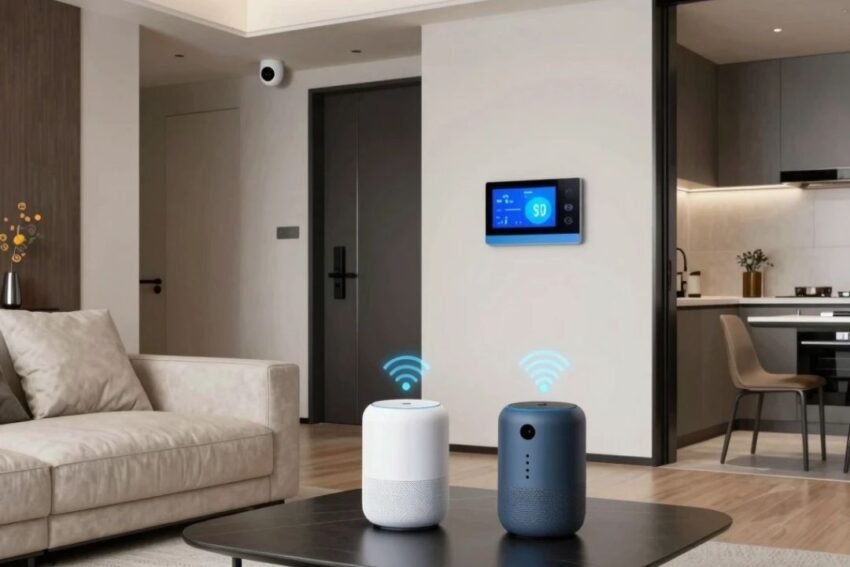
Smart home technology has become a major part of modern living. Connected devices can now control lighting, temperature, security, entertainment, appliances, energy use, and many other household functions. In 2026, smart-home products are becoming more intelligent through artificial intelligence, advanced sensors, better connectivity, and improved automation.
The best smart home devices in 2026 are not simply gadgets that connect to the internet. The most useful products are those that solve everyday problems, work reliably, integrate with other devices, and provide meaningful convenience, security, or efficiency.
From AI-powered assistants and smart thermostats to security cameras, smart locks, lighting systems, sensors, and connected appliances, there are many options for building a modern IoT ecosystem.
This guide explores the best types of smart home devices in 2026, their benefits, important features, security considerations, and the future of home automation.
What Are Smart Home Devices?
Smart home devices are connected electronic products that can be monitored, controlled, or automated through a network.
Depending on the device, users can control it through:
- Smartphone apps
- Voice commands
- Smart displays
- Sensors
- Automated schedules
- Smart-home platforms
- AI-powered systems
Examples include smart lights, thermostats, cameras, locks, plugs, appliances, speakers, and environmental sensors.
How Smart Home Devices Work
A smart-home ecosystem usually consists of several components.
Connected Devices
These perform specific tasks such as lighting, security, temperature control, or entertainment.
Sensors
Sensors collect information about the environment.
Network
Devices communicate through technologies such as Wi-Fi, Bluetooth, Thread, or other supported standards.
Smart Platform
A compatible platform can connect multiple devices and provide a central control system.
Automation
Automation allows devices to respond automatically to schedules, sensors, or other events.
Best Smart Home Devices in 2026
1. AI-Powered Smart Speakers
Smart speakers remain useful as central interfaces for compatible smart-home systems.
They can provide:
- Voice control
- Music playback
- Timers
- Information
- Smart-device control
- Automated routines
AI-powered conversational systems are making voice interactions increasingly natural.
Instead of remembering specific commands, users may be able to describe what they want in everyday language.
2. Smart Displays
Smart displays combine voice assistants with visual controls.
They can provide access to:
- Security cameras
- Doorbells
- Smart lights
- Thermostats
- Timers
- Entertainment
- Household information
A smart display can be useful as a central interface for multiple connected devices.
3. Smart Lighting
Smart lighting is one of the easiest ways to begin building a smart home.
Smart bulbs, switches, and fixtures can offer:
- Remote control
- Scheduling
- Dimming
- Automated scenes
- Motion activation
- Voice control
Users can create different lighting routines for mornings, evenings, work, relaxation, and entertainment.
4. Smart Thermostats
Smart thermostats can help manage indoor temperatures more conveniently.
Depending on the model, features can include:
- Remote control
- Scheduling
- Temperature sensors
- Occupancy detection
- Energy monitoring
- Automated adjustments
Smart thermostats can help users balance comfort and energy management.
5. Smart Security Cameras
Smart security cameras provide remote property monitoring.
Common features include:
- Motion detection
- Mobile alerts
- Night vision
- Two-way audio
- Video recording
- Local storage
- Cloud storage
Some modern systems use AI-assisted detection to help identify relevant activity and reduce unnecessary notifications.
6. Smart Video Doorbells
Smart doorbells combine a camera, microphone, speaker, and internet connection.
They can alert users when activity occurs near an entrance and may allow two-way communication.
Depending on the product, features can include:
- Motion detection
- Package alerts
- Visitor notifications
- Video recording
- Night vision
7. Smart Locks
Smart locks provide connected access control.
Depending on the product, homeowners may use:
- PIN codes
- Smartphones
- Digital credentials
- Biometrics
- Traditional keys
Smart locks can also support temporary access for guests, family members, or service providers.
8. Smart Plugs
Smart plugs are inexpensive ways to add connectivity to traditional appliances.
They can support:
- Remote switching
- Scheduling
- Automation
- Energy monitoring on supported models
For example, a compatible lamp can be automatically switched on or off according to a schedule.
9. Smart Motion Sensors
Motion sensors are important components of home automation.
They can trigger actions such as:
- Turning on lights
- Sending security alerts
- Activating routines
- Adjusting compatible devices
Motion sensors can make automation more responsive to actual activity.
10. Door and Window Sensors
These small sensors can detect whether doors or windows are open or closed.
They can be used for:
- Security alerts
- Lighting automation
- Energy routines
- Occupancy-related automation
They are particularly useful for connecting physical events to smart-home routines.
11. Smart Water-Leak Sensors
Water damage can be expensive and difficult to detect early.
Smart leak sensors can monitor areas near:
- Water heaters
- Washing machines
- Sinks
- Pipes
- Basements
When supported, they can send notifications when moisture is detected.
12. Smart Smoke and Environmental Sensors
Connected environmental sensors can monitor conditions in the home.
Depending on the device, they may detect:
- Smoke
- Temperature
- Humidity
- Air-quality indicators
- Carbon monoxide
These devices can provide alerts and help homeowners monitor their indoor environment.
13. Smart Air-Quality Monitors
Indoor air-quality monitors can measure environmental conditions.
Potential measurements include:
- Temperature
- Humidity
- Carbon dioxide
- Particulate matter
- Other air-quality indicators
Connected monitoring can help users understand changes in their indoor environment.
14. Smart Refrigerators
Connected refrigerators can provide various digital features.
Depending on the model, they may offer:
- Temperature monitoring
- Notifications
- Inventory-related tools
- Connected controls
- Smart displays
Consumers should evaluate whether these additional features provide real practical value before paying a premium.
15. Smart Ovens
Smart ovens can offer connected controls and monitoring.
Depending on the product, users may be able to:
- Monitor cooking status
- Adjust certain settings remotely
- Receive notifications
- Create cooking schedules
Safety features and manufacturer instructions should always take priority over remote-control convenience.
16. Smart Washing Machines
Connected washing machines can provide notifications about:
- Cycle completion
- Maintenance
- Selected settings
- Machine status
Some systems can also integrate with broader home automation.
17. Smart Robot Vacuums
Robot vacuums combine sensors, motors, mapping systems, and software.
Modern models can navigate rooms and automate cleaning schedules.
Advanced systems may include:
- Mapping
- Obstacle detection
- Automatic charging
- App control
- Cleaning schedules
Some newer systems combine vacuuming and mopping capabilities.
18. Smart Air Purifiers
Connected air purifiers can monitor indoor conditions and adjust operation on supported models.
Features may include:
- Air-quality monitoring
- Automatic modes
- Scheduling
- Mobile controls
- Filter notifications
These devices can become part of a broader indoor-environment monitoring system.
19. Smart Fans
Smart fans can provide remote control and scheduling.
They may integrate with:
- Voice assistants
- Temperature sensors
- Smart-home routines
Automation can adjust compatible fans based on time or environmental conditions.
20. Smart Blinds and Shades
Motorized smart blinds can automate window coverings.
Potential features include:
- Scheduling
- Remote control
- Light-based automation
- Voice commands
- Smart-home integration
They can also contribute to automated lighting and climate routines.
21. Smart Irrigation Controllers
Smart irrigation systems can automate outdoor watering.
Depending on the system, they may use:
- Schedules
- Environmental information
- Weather data
- Soil sensors
The goal is to provide appropriate watering while reducing unnecessary consumption.
22. Smart Energy Monitors
Energy monitors can help homeowners understand electricity consumption.
They can show information about:
- Overall usage
- Appliance consumption
- Usage patterns
- Peak demand
This information can help identify opportunities for improved energy management.
23. Smart Solar and Battery Systems
Connected solar and battery systems can provide information about household energy production and storage.
Users may be able to monitor:
- Solar generation
- Battery charge
- Energy consumption
- Energy flow
IoT integration can help create a more connected household energy ecosystem.
24. Smart TVs and Streaming Devices
Smart entertainment devices can integrate with broader home automation.
Users can potentially coordinate:
- Television
- Streaming services
- Speakers
- Lighting
- Gaming systems
Entertainment routines can create customized environments for movies, sports, or gaming.
25. Smart Speakers for Multi-Room Audio
Connected speakers can create synchronized audio environments.
Depending on the ecosystem, users can control music across multiple rooms.
This can be useful for:
- Parties
- Background music
- Entertainment
- Whole-home audio
26. Smart Home Hubs
A smart-home hub can provide centralized management for compatible devices.
Depending on the ecosystem, a hub can:
- Connect devices
- Manage automation
- Process some commands locally
- Coordinate routines
Not every modern smart-home setup requires a dedicated hub, so compatibility should be checked before purchasing one.
27. Matter-Compatible Devices
Matter is designed to improve interoperability among supported smart-home products.
Consumers may benefit from checking whether their preferred devices and platforms support Matter where relevant.
Greater interoperability can make it easier to combine compatible products from different manufacturers.
28. Thread-Compatible Devices
Thread is a low-power networking technology used by compatible connected devices.
It is particularly relevant to products such as:
- Sensors
- Lights
- Locks
- Thermostats
Its mesh-networking design can support communication between compatible devices.
29. Smart Home Security Systems
Complete security systems can combine several devices.
A system may include:
- Cameras
- Door sensors
- Motion sensors
- Smart locks
- Alarms
- Doorbells
The advantage is that these components can work together rather than operating independently.
30. AI Home Automation Systems
AI is becoming increasingly important in smart-home technology.
An AI-powered system can potentially analyze patterns involving:
- Occupancy
- Temperature
- Lighting
- Energy use
- Daily routines
This can support more adaptive automation.
Benefits of Smart Home Devices
Convenience
Smart devices can automate repetitive household tasks.
Security
Cameras, locks, sensors, and alarms can provide additional monitoring capabilities.
Energy Management
Smart thermostats, lights, and energy monitors can help users understand and manage consumption.
Comfort
Automated temperature, lighting, and entertainment can create personalized environments.
Remote Access
Compatible devices can be monitored or controlled through supported apps.
Accessibility
Voice commands and automation can make some tasks easier.
Personalization
AI and automation can create routines based on individual preferences.
Important Features to Consider
Before purchasing a smart-home device, consider:
Compatibility
Check whether it works with your existing ecosystem.
Connectivity
Look at Wi-Fi, Thread, Bluetooth, or other supported technologies.
Security
Check whether the manufacturer provides software and security updates.
Privacy
Understand what data the device collects and where it is processed.
Automation
Consider whether the device can work with routines and sensors.
Reliability
A device should perform its primary function well even when advanced features are not being used.
Smart Home Security Tips
Connected devices should be treated as part of your digital environment.
Use Strong Passwords
Avoid default or easily guessed passwords.
Enable Multi-Factor Authentication
Use it whenever the manufacturer or platform supports it.
Keep Software Updated
Install firmware and application updates regularly.
Secure Your Wi-Fi
Use strong wireless security and a unique password.
Review Account Access
Remove unnecessary users and connected accounts.
Check Privacy Settings
Review what information the device collects.
Smart Home Challenges
High Costs
A complete smart-home ecosystem can become expensive.
Compatibility Problems
Different products may not work together.
Internet Dependence
Some cloud-based features require an internet connection.
Privacy Concerns
Connected devices can collect household information.
Security Risks
Poorly secured IoT devices can create cybersecurity vulnerabilities.
Technical Complexity
Advanced automation systems can require more setup and troubleshooting.
How to Choose the Best Smart Home Devices
Step 1: Identify a Problem
Start with something you want to improve, such as security, lighting, energy, or convenience.
Step 2: Choose Compatible Products
Check platform and communication compatibility.
Step 3: Prioritize Reliability
Choose products that perform their primary function effectively.
Step 4: Consider Security
Look for strong account security and ongoing software support.
Step 5: Check Privacy
Understand data collection and processing practices.
Step 6: Start Small
Begin with a few useful devices rather than automating the entire home.
Step 7: Build Automation Gradually
Once individual devices work reliably, connect them through useful routines.
Future of Smart Home Devices
The future of smart-home technology is likely to focus on intelligence, interoperability, privacy, and automation.
More Advanced AI
AI assistants may become better at understanding context and natural-language requests.
Predictive Automation
Smart homes may increasingly anticipate household needs based on patterns.
Better Interoperability
Standards such as Matter may help compatible products from different manufacturers work together more easily.
Local AI Processing
More devices may process information locally to reduce latency and potentially improve privacy.
Smarter Energy Management
Connected homes may increasingly integrate solar, batteries, smart appliances, thermostats, and energy monitoring.
Home Robotics
Robotic systems may become more capable of performing household tasks and interacting with other connected devices.
Improved Security
Manufacturers are likely to place greater emphasis on authentication, secure updates, privacy, and device protection.
Frequently Asked Questions
What are the best smart home devices in 2026?
The best devices depend on individual needs, but smart thermostats, lighting, security cameras, locks, sensors, smart plugs, robot vacuums, energy monitors, and AI-powered home assistants are among the most useful categories.
What should I buy first for a smart home?
Smart lights, smart plugs, sensors, or a thermostat can be practical starting points because they can provide useful automation without requiring a large investment.
Are smart home devices worth it?
They can be worthwhile when they solve practical problems such as security monitoring, energy management, convenience, or automation.
Is AI important for smart homes?
Yes. AI can support natural-language interaction, personalization, predictive automation, security analysis, and energy-management features.
What is Matter?
Matter is an industry connectivity standard designed to improve interoperability among supported smart-home devices.
Are smart home devices secure?
They can be secure when properly configured and maintained. Strong passwords, multi-factor authentication, secure networks, and regular software updates are important.
Conclusion
The best smart home devices in 2026 are those that provide genuine value through convenience, automation, security, energy management, and improved control. Smart-home technology has expanded far beyond basic connected lights, with modern ecosystems including thermostats, cameras, locks, sensors, appliances, energy monitors, entertainment systems, robots, and AI-powered assistants.
Artificial intelligence is becoming one of the most important developments in the industry. Instead of simply responding to commands, future smart-home systems may increasingly understand context, recognize patterns, and automate compatible devices according to household routines.
Interoperability is also becoming increasingly important. Technologies and standards such as Matter and Thread are helping move the industry toward more connected ecosystems, although consumers should still check compatibility before purchasing products.
Security and privacy should remain priorities. Smart cameras, speakers, locks, sensors, and appliances can process sensitive information, making strong passwords, multi-factor authentication, software updates, secure networks, and careful privacy settings essential.
The best approach is to start small and build gradually. Choose devices that solve real problems, prioritize compatibility and security, and create automation only when it provides a clear benefit.
Looking ahead, smart-home technology will likely become more intelligent, predictive, energy-efficient, secure, and personalized. The ultimate goal is not to fill a home with gadgets, but to create a connected environment where useful devices work together seamlessly to make everyday life easier.